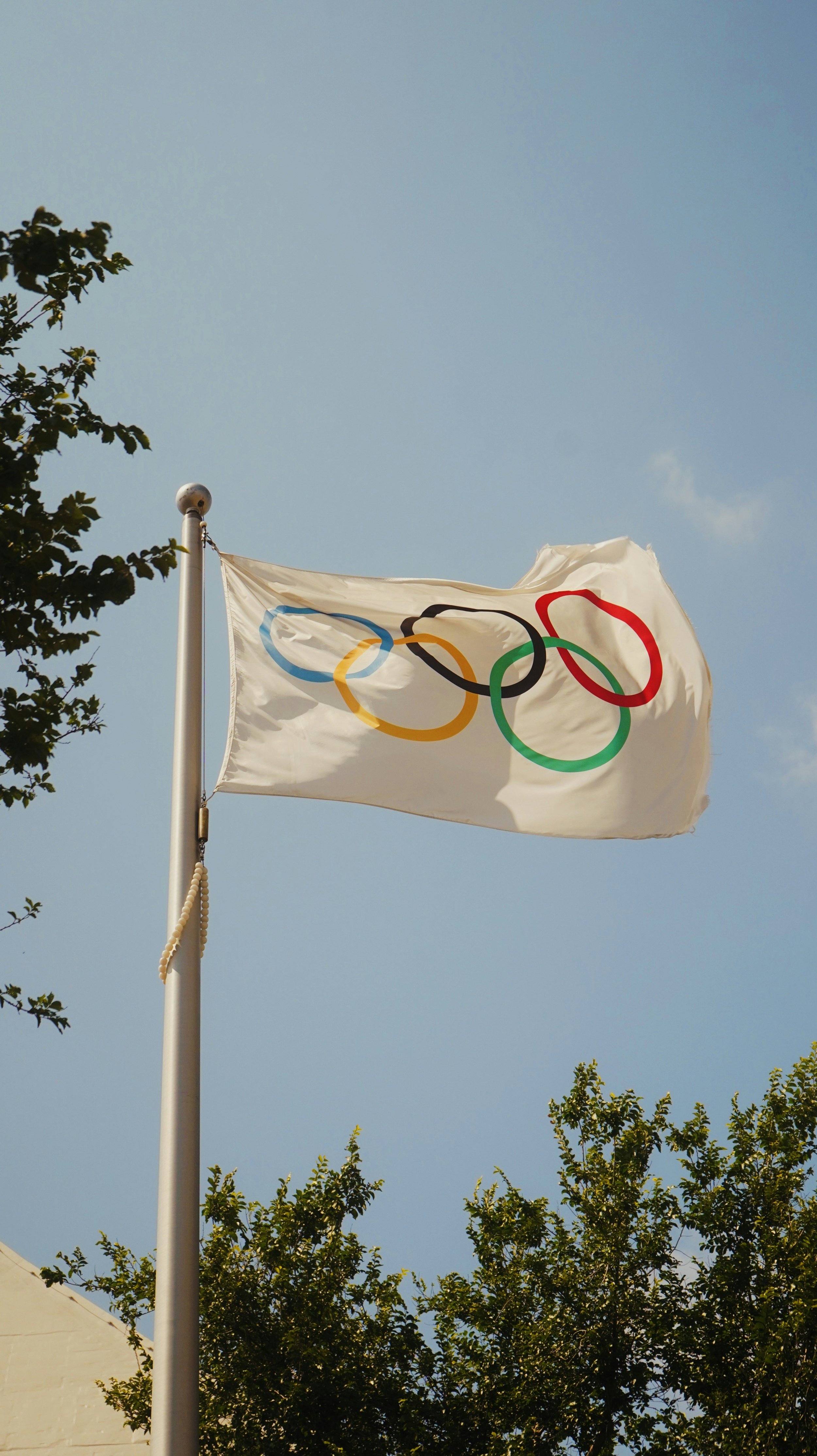
The Part People Don’t See: How U.S. Olympic Athletes Are Funded
One of the most common misconceptions about Olympic athletes in the United States is this: That we’re funded from the beginning.
In reality, most U.S. Olympic athletes are self-funded for years — often until they actually make the Olympic team.
That means the cost of training, coaching, equipment, travel to qualifying events, physical therapy, recovery, and competition expenses is largely paid out of pocket during the qualification phase. Support from organizations like the United States Olympic & Paralympic Committee and major sponsors typically comes after athletes qualify — not while they’re trying to get there.
This structure isn’t unique to sailing. It exists across many Olympic sports in the U.S., particularly those without large professional leagues or television contracts.
So when you see an athlete campaigning for the Olympics, what you’re often seeing is not a fully resourced operation — but a carefully balanced effort driven by discipline, planning, and belief long before recognition arrives.
A self-funded campaign requires:
Strategic race selection
Careful budgeting
Long-term physical care
And the ability to sustain effort without guarantees
It’s not about complaining or martyrdom. It’s simply the reality of how excellence is built in the U.S. system.
I’m sharing this because transparency matters. Understanding the structure helps explain why community, sponsorship, and support play such a critical role before athletes ever step onto an Olympic start line.
This is the road before the podium.
Before the anthem.
Before the moment people usually see.
And for many athletes, it’s the hardest part of the journey.
This post is part of my Road to LA28 series, where I’m documenting the full reality of an Olympic campaign — not just the outcome.